
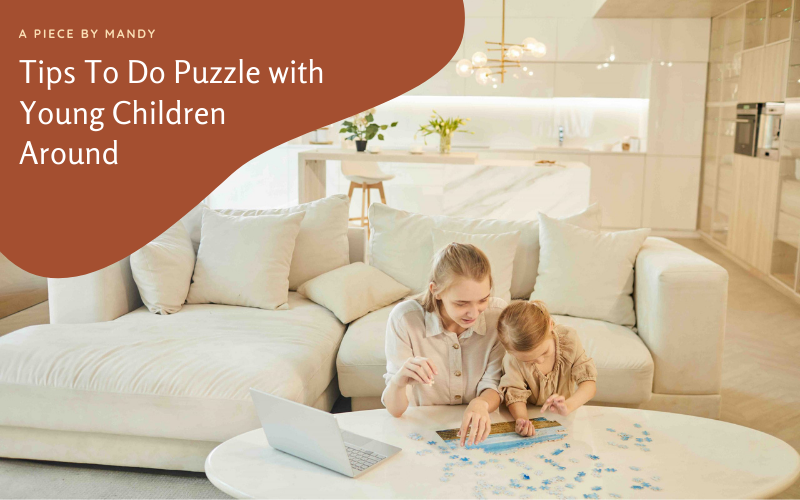
My 4 – year – old daughter enjoys “helping her monster. This help includes hiding his dolls in a box of pieces, pasturing the pieces in play-doh, and scattering the pieces out while laughing at the mess.
How does the puzzle house work on their image with the kids around? How can you invite your children and older ones to share in the joy?
My little boy will follow me. We have a few foaming puzzles with about 15 large pieces for your little hands. When she finished, she clapped her hands and jumped on it. We have something we can do together. Whether there is or not a plague, solving with children can be an interesting experience of connection. There’s a new Ravensburger puzzle. She loves ice. With 1,000 pieces, I was tempted to do it just so she could see me.

I found many online comments by my parents that they could not explain to their children. One mother said that the only way to solve the puzzle was to neglect the children. Instead, I have some helpful suggestions.
I used foam boards from a dollar store, and kept my riddle “and placed among the boards. I cover it up when we’re eating or whenever I want to protect it. I laughed when I read that some people slide puzzles under the bed or on the fridge roof as a safe place for infants. There are many kinds of archives that you can also buy — rolling pads or portable caddies. These can also protect your riddles from your hairy friends.
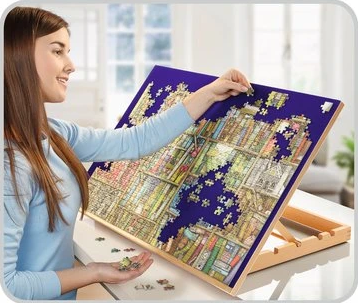
As they grew up, they had to participate. Tell them to pick pictures. There are superheroes, Disney characters, comics themes and many other things to choose from. Tell them to classify — ask them to find blue pieces or edges.
I won’t talk too much about the benefits of being confused about the development of children. That would be a long blog.
Just say, here are some skills to learn from the puzzle:
The physical benefits of holding and turning the pieces, the cognitive benefit of solving the problem, and the emotional benefits that come from patience and achievement. In addition to these areas, it is also good for vocabulary as well as object recognition.
At the end of the day, confusion is wonderful for the children — whether there is or not. The same applies to us. Sometimes we have a day where we don’t want to share confusion with anyone. There’s nothing wrong with that. A little time I time never hurt anyone.